
The Truth about Friendship: The Power of Community and Sisterhood
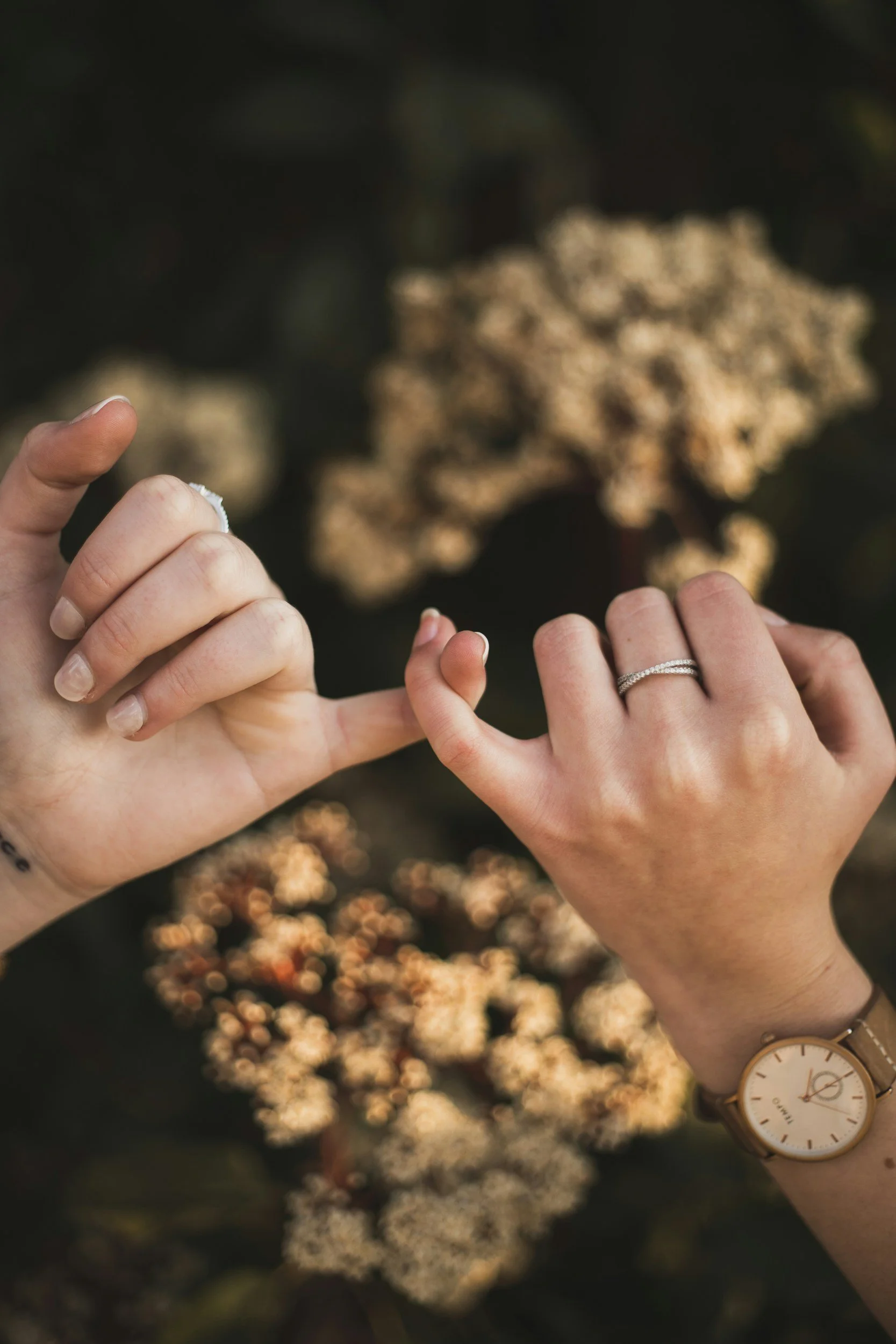
What does it mean to be a friend? What expectations do you hold around friendship? How was friendship modeled for you growing up?
Asking powerful questions like these can ignite a spark of curiosity, self-inquiry and reflection. Friendships, unlike partnered relationships, are often not discussed with as much thoughtfulness or intention. I deeply value my friendships and my view on friendships has really evolved over time. As I parent two young daughters who are school age, we have discussions about what it means to be a friend, what values look like in friendship, as well as navigating and meeting new people. These discussions inspired me to dig deeper into my own personal history of friendship and what was modeled for me growing up.
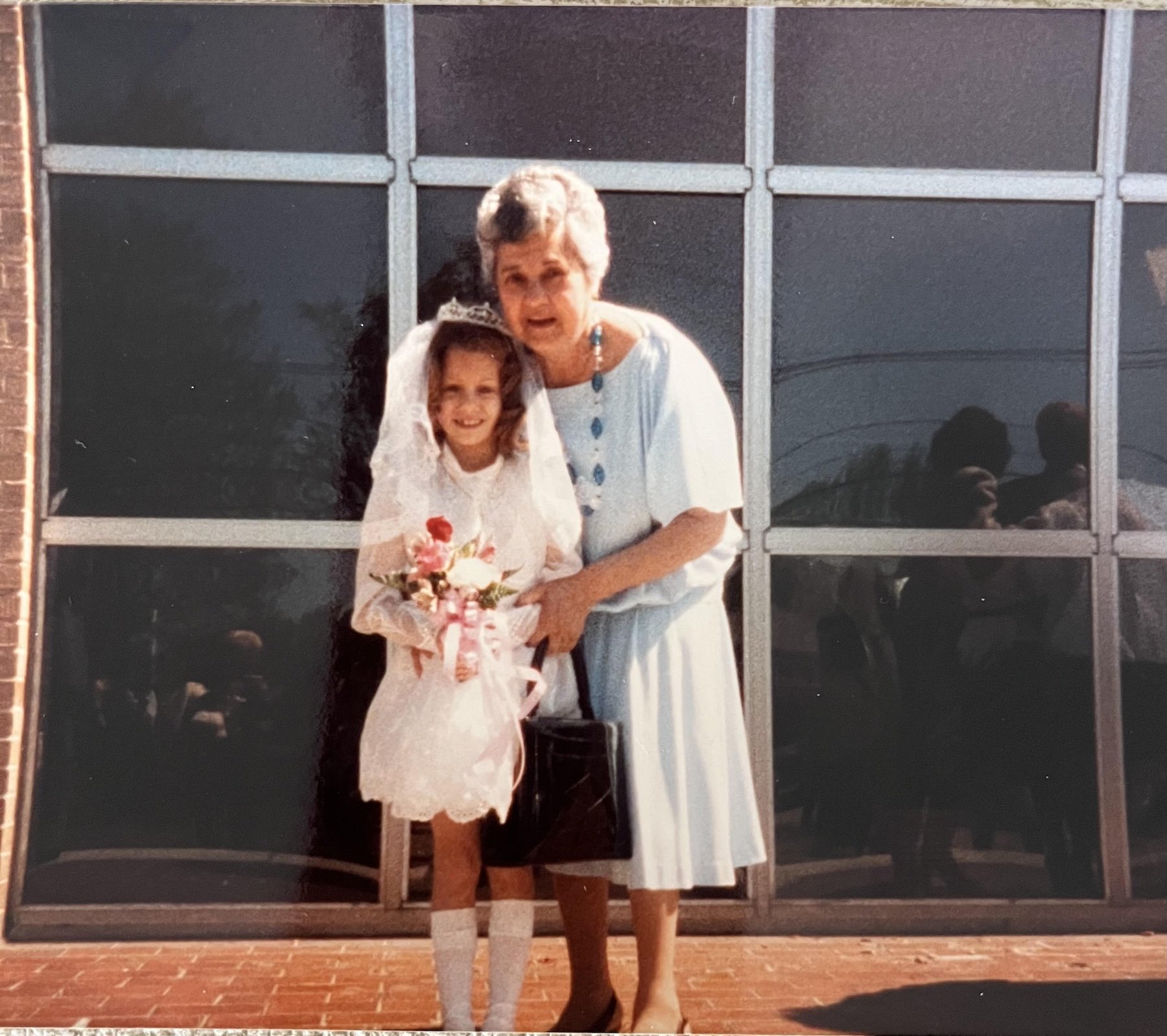
When I was very young, I spent time with my paternal grandparents in their modest townhome in Northeast Philadelphia. I was supposed to be at my father’s house, but I never felt comfortable there with him and his new family, so I coerced my grandparents to let me stay with them and I’d see my dad at some point over the weekend. My grandmother, Rita, always had a flock of girlfriends calling on the phone, accompanying her to Church or to the hair salon, and stopping by whenever I was visiting. They doted over me and always included me in their chitchat. I joined them on the occasional Church-led bus trip to New York City, and they often stopped by to drop off some Italian-American goodies. They would visit when my Aunt Charlotte was in town from Michigan with her family, excited to hear what everyone was up to. Rita’s girlfriends were always at the ready- from having a simple cup of coffee at the tiny banquette style kitchen table to celebrating a milestone anniversary.
Growing up, friendships felt difficult for me. I was the only one I knew at the time with divorced parents, so I labeled myself “different”. This affected my confidence and caused me to have the sense that I didn’t belong. Was this true? I don’t know, but my young mind told me so, and so that was the story I believed. I let that story follow me for years.
I had a few good girlfriends in middle school and high school, and we went through the typical pre-teen and teenage nonsense: She hung out with her and left me out, why does my lipstick look better on her than on me? All the normal silliness for that age, but things just felt so heavy for my sensitive heart at the time.
As I got older and my grandparents inevitably did too. I saw the friendships my grandmother had remain steadfast. My father’s second marriage ended, and he and his other children moved into my grandmother’s tiny house. This caused an enormous amount of stress on everyone. My grandmother’s friends were there in support and with opinions (welcome or not) for her to count on. When my grandfather died, my stern, emotionless, and affectionless grandmother seemed to soften her rough edges and at times shared (gasp!) a bit of vulnerability with me. In that vulnerability she shared that she was saddened by the loss of my grandfather, that she just wanted to die too. She also shared feeling an uncomfortable, creeping sense of dependence on my father as she was aging, the death of some of those dear friends, and the shift in her neighborhood to the point where she felt unsafe for the first time in all her years of living there. My grandmother never got her driver’s license, so to not be able to feel safe walking in the neighborhood weighed heavily on her and caused a sense of isolation that we now know has dire consequences on aging adults.
It was like I saw her for the first time. I saw her as a human being, as a wife, friend, and woman. I never saw her through that lens because she never allowed herself to be seen as vulnerable.
My father and I had been estranged for many years, and my grandmother and I had our season of discord as she disapproved of my beginning to stand up for myself, questioning things, and setting boundaries with my father. I kept in touch with her because there was a part of me that always really wanted her approval and to have her feel proud of me. Something about that tough love made me work harder to prove myself where I shouldn’t have had to as a little one. A reminder that the way we function in the present is rooted in our past, and these dynamics, for all of us, run deeper than we realize.
When I looked around my own little world as a young girl, I always wanted friendships as devoted as my grandmother’s circle. They seemed to really be there for each other. They spent time together, they laughed and mourned together, they nurtured and watered the garden of friendship. Within that container, all was welcome. The highs and the lows, the wins and losses, they were all welcome.
When I talk to my daughters about friendship, we talk about what it means to be a friend. I share with them when I meet a friend for lunch or tea, catch up with an old friend by phone and tell them the story of how that friendship started. I show them how to be a friend by being a friend, by really modeling that in my life. I tell them that I am watering my garden of friendship. My hope is that they value friendship as the true gift that it is. To me, friendship is more than just a relationship in which you “check in” occasionally to complain (brag?) about how “busy” you are and then spout off a list of issues you are having with your partner, kids, or work. We’re all guilty of it. Life bogs us down. In recent years, though, I have been desiring something deeper from all of my relationships, friendships included. Many of my friends seem to be feeling the same way, and what a blessing that is.
My work as Feminine Embodiment Coach has called women into my orbit that is no doubt a beautiful synchronicity. They have flowed into my life really wanting a safe place to share, express, and be seen and truly known. These are women with whom I’ve known for decades, and women I’ve only recently met. When I sat with this and reflected on what it was that was bringing these women into my life, I realized one key common denominator: Vulnerability. As I became more embodied as a practitioner and as a woman, I naturally became more self-compassionate and vulnerable, and I chose to share more of my humanness with others. I started to take down the mask of having it all together and allow myself to be seen-just as I am. I let my messiness be witnessed. I humanized myself. I told more of the truth. Before any of that could be possible, I had to witness myself, witness my mess, and witness my truth. For someone who always felt “different” and really wanted to fit it, this was not easy, but it was the key shift that called these women into my life and gave them the silent nod of permission to share more of themselves too. My energy, my resonance said: It’s safe here. It was as if the women started to feel that, of all the places I have to keep up an appearance, with this other human being, I don’t have to do that. Friendship became relaxed and warm.
As I was thinking about my service offerings, it felt essential for me to ensure women feel supported through community. I started an Embodied Women’s Circle where women join monthly meetings and are fully welcome just as they are. They can express what’s present and truthful within them in that moment. With each meeting we drop into the body, we journal, we move, and we allow ourselves to share vulnerably with each other. Forming a community of like-hearted women to share something deeper, beyond the surface level of everyday life, has been a breath of fresh air for these women. With community, there is an ever-available resource for those who suffer silently and who may be feeling isolated in their personal transformation journey. Feeling connected to other women who are on a similar path, and being part of a community can feel incredibly supportive and can even become a haven for inner-safety through co-regulation.
I know that the fire of passion and purpose for dreaming up an Embodied Women’s Circle community was lit within me at a young age and has been waiting to be brought to life. I have Rita to thank for that, and I know she’s watching over me, proud of what I’m building.
